
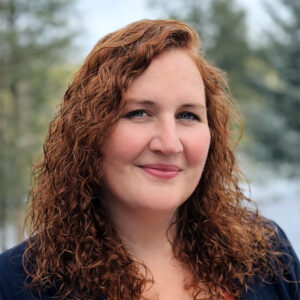
Jennifer Davis
Jennifer Davis’ work is rooted in both professional training and lived experience. Originally from the UK, she and her husband made the life-changing decision to move their family of seven to the United States to create a better future for their son, Isaac, by studying to become an ABM NeuroMovement® Practitioner. That leap across countries wasn’t just a relocation; it was the beginning of a calling that has shaped her life’s work—pursuing a deeper understanding of the brain, behavior, and human potential through movement.
With a BSc (Hons) in Psychology and a background in mental health, Jennifer has long been drawn to the “why” behind behavior—especially in children and teens whose needs are often misunderstood or mislabeled. Over time, her focus sharpened toward neurodevelopment: how the nervous system organizes, how stress and early experiences shape regulation, and how the brain can change when the right inputs are offered in an environment that is safe and loving.
Jennifer went on to train as an ABM NeuroMovement® practitioner, where she found a framework that matched what she had sensed intuitively for years: movement is not just physical—it’s neurological, relational, and profoundly tied to learning, regulation, and function. Her work is further shaped by ongoing study and mentorship, including her role as a NeuroHORIZONS® Mentor, and learning influenced by Josh Madsen/Infinity’s approach to brain development and behavior, alongside continued training through the BrainWorx behavioural course.
Today, Jennifer brings this blend of science, compassion, and practical strategy into everything she does—from one-on-one NeuroMovement® lessons and intensives through NeuroSparks, which she co-owns with her daughter, Isabella—also a NeuroHORIZONS® Mentor—to community education and caregiver support. She is deeply committed to making this work accessible and collaborative, partnering with CoPec (a nonprofit) to bring services to families in Roseville, and actively collaborating in her local community with organizations such as CAPC (Child Abuse Prevention Collaborative) and Young Life.
At the heart of Jennifer’s story is a steady commitment to families: helping parents feel less alone, helping children feel safer in their bodies, and translating complex brain-based concepts into steps that can change everyday life. Jennifer’s work is also shaped by personal experience: she knows what it’s like to advocate, problem-solve, and keep showing up for a child who is working hard to build skills that others take for granted. That perspective keeps her grounded and direct with parents—supporting them with clear education, realistic strategies, and a steady belief that progress is possible.